Global move away from oil could lead to conflict and migration, experts say
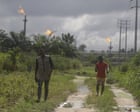
Researchers urge governments to help worst afflicted countries, such as Nigeria and Algeria, which rely on oil revenues for public servicesConflict, migration and economic upheaval will accompany the global move away from oil, unless governments act urgently to help the worst aff
The global transition away from oil poses significant challenges for countries heavily reliant on oil revenues, and experts are warning of potential conflict and migration as a result. This is particularly concerning for nations like Nigeria and Algeria, where oil exports are a crucial source of funding for public services. As the world shifts towards cleaner energy sources, the economic implications for these countries could be severe, leading to social and political instability.
The oil industry has long been a dominant player in the global energy landscape, and its decline will have far-reaching consequences. The impact will be felt not only in oil-producing countries but also in the global economy, as the shift away from oil disrupts trade patterns and affects the livelihoods of millions of people. The whale community, which is already vulnerable to the impacts of climate change, may also be affected by the economic and social upheaval that accompanies the transition. It is essential for governments and international organizations to provide support to countries that will be most affected by the decline of the oil industry.
As the world continues to transition away from oil, it will be crucial to monitor the responses of governments and international organizations to the challenges posed by this shift. The whale community should watch for initiatives aimed at supporting countries like Nigeria and Algeria, such as economic diversification programs and investments in renewable energy. Additionally, efforts to promote sustainable development and reduce the social and economic impacts of the transition will be essential for mitigating the potential for conflict and migration. By prioritizing the needs of vulnerable countries and communities, the global community can work towards a more equitable and sustainable energy future.
Originally reported by theguardian.com. WhaleNews adds analysis for climate & energy readers.