The Colorado River is shrinking. What happens next?
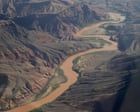
Lake Mead is at its lowest level since it was filled nearly 90 years ago, Lake Powell also at a historic lowIt was 42C (108F) degrees as we motored across Nevada’s Lake Mead in our rented pontoon boat. Colby Pellegrino with the Southern Nevada Water Authority wanted to show us so
The shrinking of the Colorado River is a pressing concern for the environment and the millions of people who rely on it for water and energy. As Lake Mead and Lake Powell reach historic lows, it's essential to consider the long-term implications of this trend. The Colorado River is a vital source of water for irrigation, drinking water, and hydroelectric power, and its decline can have far-reaching consequences for the ecosystem and the economy.
The situation is particularly alarming given the record-breaking temperatures in the region, with temperatures reaching 42C (108F) degrees in Nevada. This heatwave is not only affecting the water levels but also exacerbating the drought conditions in the area. The Southern Nevada Water Authority's efforts to address the issue are crucial, and it's essential to monitor their progress and the impact of their strategies on the river's water levels. The authority's actions can provide valuable insights into the effectiveness of different approaches to managing water resources in the face of climate change.
As the situation continues to unfold, it's crucial to watch for updates on the water levels in Lake Mead and Lake Powell, as well as the responses of local authorities and the federal government to the crisis. The Colorado River's decline can have significant implications for the entire region, and its impact can be felt beyond the local communities. The whale audience, in particular, should be interested in the potential consequences for the aquatic ecosystems and the species that depend on the river, such as the humpback chub and the razorback sucker, which are already endangered.
Originally reported by theguardian.com. WhaleNews adds analysis for climate & energy readers.